


Saffron Tea or Turmeric Tea? Understand the Differences
Saffron tea has been gaining attention in natural recipes, mainly due to its image as a natural anti-inflammatory and its claimed digestive, antioxidant and metabolic benefits. However, there is significant confusion about what “saffron tea” really means. Many pieces of content refer to true saffron, while the vast majority of popular recipes actually use turmeric, also known as Indian saffron or ground saffron.
This article clarifies the differences between the two, presents the main benefits of saffron tea, explains how to prepare each infusion and points out practical product options available in the shop.
Are saffron and turmeric the same thing?
Although they are often confused, saffron and turmeric are not the same thing. This is one of the most common questions among consumers and even content creators.
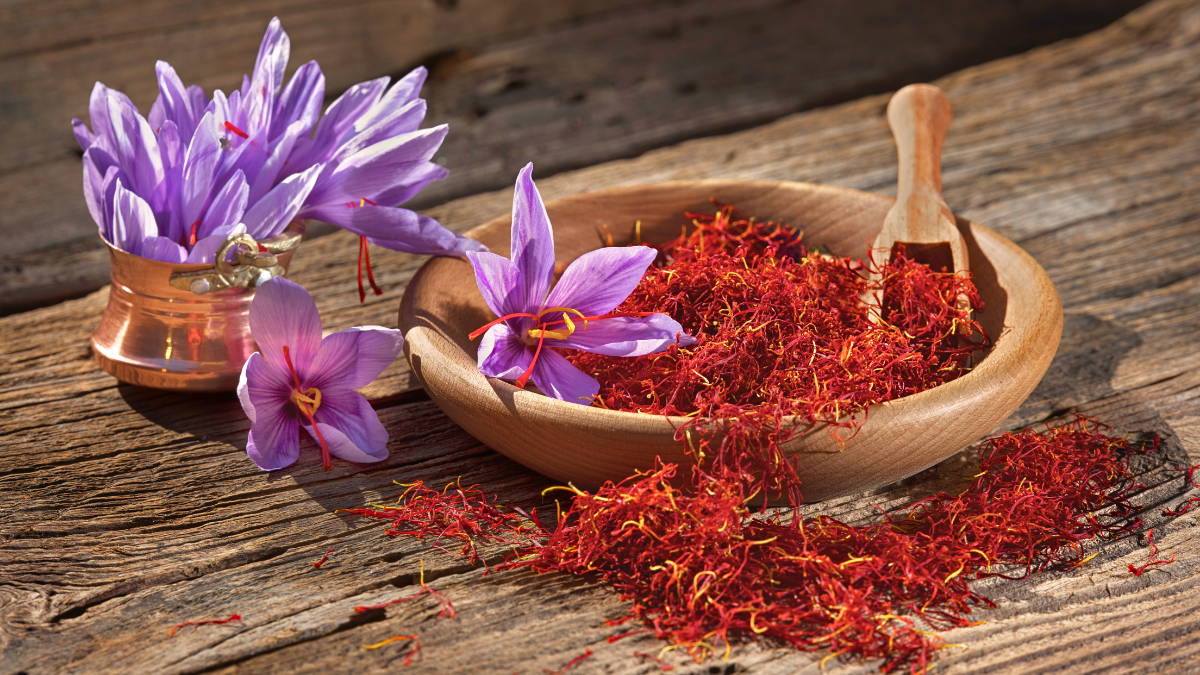
True saffron (Crocus sativus)
● Obtained from the stigmas of the Crocus sativus flower
● One of the most expensive spices in the world
● Traditionally used in very small quantities
● Has an intense, floral flavour
● Used in infusions, but less frequently
Turmeric (Curcuma longa)
● Dried and ground root of the Curcuma longa plant
● Much more affordable
● Known as Indian saffron or ground saffron
● Characteristic golden-yellow colour
● Frequently used in cooking and infusions
When we talk about Indian saffron tea or ground saffron tea, we are referring to turmeric, not true saffron.
Most recipes that promise anti-inflammatory, digestive or antioxidant effects refer to infusions prepared with turmeric root, such as turmeric pieces.
Saffron tea: benefits of true saffron
Although it is less commonly used in daily infusions, true saffron has a well-recognised benefit profile in international studies.
1. Antioxidant properties
Rich in crocin and safranal, saffron has strong antioxidant capacity, helping to protect cells against oxidative damage.
2. Possible support for mood and emotional well-being
Some research suggests that saffron may contribute to mood regulation, showing effects similar to certain natural supplements used for emotional balance.
3. Digestive support
Like other aromatic spices, saffron infusion may help improve digestive comfort after meals.
Despite these benefits, true saffron is used in very small quantities, which may limit its impact in everyday infusions.
Turmeric tea: the most common “saffron tea”
When someone searches for how to make saffron tea for weight loss or a good natural anti-inflammatory, they are almost always referring to turmeric tea. This is the ingredient actually used in most recipes and products available on the market.
Turmeric contains curcumin, a compound studied for several benefits:
1. Strong anti-inflammatory action
Curcumin is widely recognised as one of the most effective plant compounds with anti-inflammatory potential. For this reason, turmeric is often associated with a good natural anti-inflammatory.
2. Antioxidant properties
It helps combat free radical activity, contributing to more balanced cellular ageing.
3. Digestive support
Turmeric may stimulate bile production and support fat digestion, making it useful in cases of bloating or slow digestion.
4. Possible metabolic support
Some recipes suggest using turmeric in hot drinks for those seeking natural support for weight management. However, it is important to emphasise that no tea promotes weight loss on its own.
The purest and most natural version can be found in dried root form, such as turmeric pieces.
How to make turmeric tea
To prepare the infusion that many recipes call “saffron tea”, use turmeric. The preparation is simple and can be adapted to personal preference.
Basic ingredients:
● 1 coffee spoon of fresh or dried turmeric
● 250 ml of hot water
● Optional: ginger, cinnamon or black pepper, to improve curcumin absorption
Preparation method:
- Heat the water until almost boiling.
- Add the turmeric.
- Let it infuse for 8 to 10 minutes.
- Strain and drink warm.
If you prefer a more practical and aromatic alternative, Curcuma Chai tea in organic tea bags combines turmeric with a selection of spices such as cinnamon, ginger, fennel and cardamom, creating an intense and comforting infusion.
Golden Milk: the traditional way to consume turmeric
Golden milk is an ancient drink made with plant-based milk, turmeric and spices. It is one of the most popular ways to consume the root due to its smoother and more comforting flavour.
For greater convenience, it is available in a ready-to-prepare version, such as organic Golden Milk.
Suggested benefits of Golden Milk:
● Digestive comfort
● Calming properties
● Antioxidant action
● A feeling of relaxation before bedtime
Saffron tea for weight loss: myth or reality?
Searches for how to make saffron tea for weight loss have increased, but it is essential to understand that:
● Neither true saffron nor turmeric burns fat on its own
● The effect on metabolism is modest
● What may help is the combination of better digestion, reduced inflammation and balanced habits
Tea can be part of a healthy routine, but it does not replace proper nutrition and physical activity.
Saffron tea: which one to choose for each goal?
A simple way to decide:
For anti-inflammatory action:
● Turmeric (Indian saffron)
● Ideal for daily infusions
For emotional well-being and antioxidant support:
● True saffron
● Used in small quantities
For heavy digestion:
● Turmeric root
● Golden Milk
For those looking for convenience:
● Curcuma Chai tea bags
● Ready-made blends such as Golden Milk
Saffron tea: which is the most common in everyday use?
Although true saffron is highly valued, turmeric dominates everyday consumption due to its greater accessibility, curcumin content and versatile flavour. In addition, true saffron is more expensive and harder to obtain for infusions, which limits its daily use.When an article, recipe or video mentions saffron tea, it almost certainly refers to turmeric tea. Natural infusions made with turmeric pieces or blends such as Golden Milk are therefore the most practical options for regular consumption.




No Comments