


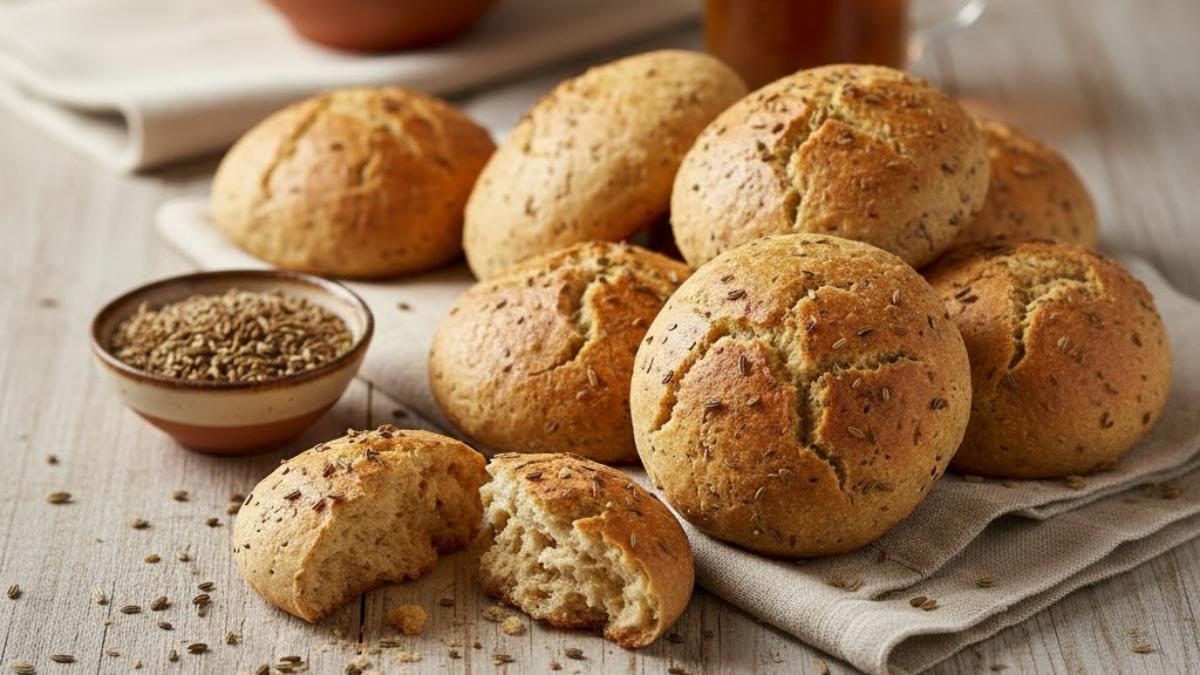
Anise Sweet Bread: Tradition and Irresistible Aroma
Anise sweet bread is part of the emotional memory of many families. The warm aroma of sweet anise (fennel) seeds filling the kitchen, the dense and slightly crunchy texture and the delicate touch of cinnamon turn this recipe into a true symbol of comfort. More than a simple sweet, these breads represent tradition, sharing and the pleasure of genuine flavours.
Whether served with coffee, enjoyed during festive seasons or simply prepared for a special moment, this recipe has been passed down through generations and remains cherished thanks to the perfect balance of aromatic ingredients and its simple preparation.
Throughout this article, we explore the origin of this sweet bread, the role of anise (fennel) and cinnamon, different variations of the recipe and suggestions of nuts that make it even more delicious.
The tradition of anise sweet bread
Anise sweet bread is associated with festive seasons, family celebrations and old community-oven practices. In many homes, it is prepared at Christmas, Easter or during harvest time, symbolising unity and abundance.
The simple mixture of flour, olive oil, honey or sugar combined with fennel seeds and cinnamon created a recipe that has stood the test of time. In some regions, nuts are added, resulting in richer and more aromatic versions that have made these sweet breads even more famous.
The essential role of anise (fennel)
Fennel seeds are the essence and signature of this recipe. Their sweet, anise-like aroma is comforting and distinctive without being overpowering. A traditional anise sweet bread depends on the freshness and quality of these seeds to ensure the authentic flavour so many recognise.
Choosing high-quality fennel seeds guarantees a more intense, natural and long-lasting aroma. Small details in the main ingredient make all the difference in the final result.
The combination of warm olive oil with fennel seeds, the gentle touch of cinnamon and the rustic texture of the dough create a simple sweet full of character.
Below, you’ll find a clear, easy step-by-step recipe to recreate these irresistible traditional anise breads.
Traditional anise sweet bread recipe
Ingredients (for around 20–25 breads):
- 500 g all-purpose wheat flour
- 150 g sugar
- 100 ml olive oil
- 2 eggs
- 1 tablespoon fennel seeds
- 1 teaspoon ground cinnamon
- 1 teaspoon baking powder
- 100 ml warm water or milk
- Zest of 1 lemon (optional)
- 1 egg yolk for brushing
- Chopped nuts (optional): walnuts, almonds or raisins
Step-by-step preparation method
1. Prepare the aromatic infusion
• Heat the olive oil with the fennel seeds without letting it boil.
• This releases the seeds’ aroma and intensifies the flavour of the breads.
• Set aside and allow to cool.
2. Mix the dry ingredients
• In a large bowl, combine the flour, sugar, cinnamon and baking powder.
• If you enjoy a citrus touch, add the lemon zest.
3. Incorporate the liquid ingredients
• Make a well in the centre of the dry mixture and add the cooled aromatic olive oil, the eggs and half of the warm water or milk.
• Mix with a wooden spoon or your hands until the dough begins to form.
4. Adjust the texture
• Add the remaining liquid gradually, only if necessary.
• The dough should be firm, malleable and not too sticky.
5. Add nuts (optional)
• For a richer and more festive version, add chopped walnuts, almonds or raisins. Mix well.
6. Shape the breads
• Preheat the oven to 180 ºC (350 ºF).
• Shape small oval or round breads with your hands and place them on a baking tray lined with parchment paper.
7. Brush for a golden finish
• Brush each bread with egg yolk.
• This gives the characteristic golden shine of traditional broas.
8. Bake
• Bake for 12 to 15 minutes, until golden, firm and slightly cracked on the surface.
9. Cool and serve
• Allow to cool on a rack before storing or serving.
• The aroma of fennel and cinnamon intensifies as they cool.
Cinnamon: warmth, balance and aroma
Cinnamon accompanies fennel seeds as one of the essential spices in this recipe. Its warm, comforting flavour balances the sweetness and completes the aromatic profile of the bread.
It is ideal to use high-quality cinnamon sticks, which can be ground on the spot or used to infuse liquids such as olive oil or honey before adding to the dough. This enhances the flavour and adds unforgettable aromatic complexity.
Delicious variations: honey, olive oil and spices
There are many ways to prepare anise sweet bread, and each region adapts the recipe according to its traditions. Some of the most appreciated variations include:
Honey and olive oil anise sweet breads
A highly aromatic version where honey replaces part of the sugar and olive oil adds softness and depth. The combination of honey, olive oil, cinnamon and fennel is perfectly balanced.
Anise and cinnamon sweet breads with nuts
Adding nuts is a delicious way to enrich the recipe. Sliced almonds and walnut kernels are perfect choices, both for texture and flavour.
You can use sliced almonds for a light, crunchy touch or walnut kernels for a richer, more intense flavour.
Cinnamon and fennel cake
Another popular interpretation is transforming the same flavours into a softer cake. The taste remains faithful to tradition, but with a lighter texture.
Fennel and cinnamon cake
Similar to the previous version but with fennel seeds in the spotlight, ideal for those who prefer a more intense anise aroma.
The importance of choosing quality ingredients
The secret to the best anise sweet breads lies in the ingredients. The simplicity of the recipe requires each component to be the best possible. Fresh spices, crunchy nuts and natural products make all the difference in the final result: more aroma, better texture and a more authentic flavour.
The fennel seeds and cinnamon sticks from Chás do Mundo preserve their natural aroma and allow you to create breads that honour Portuguese tradition, providing a truly special experience.
If you want to prepare these breads or try variations with nuts, you can explore high-quality options such as sliced almonds and walnut kernels.




No Comments