


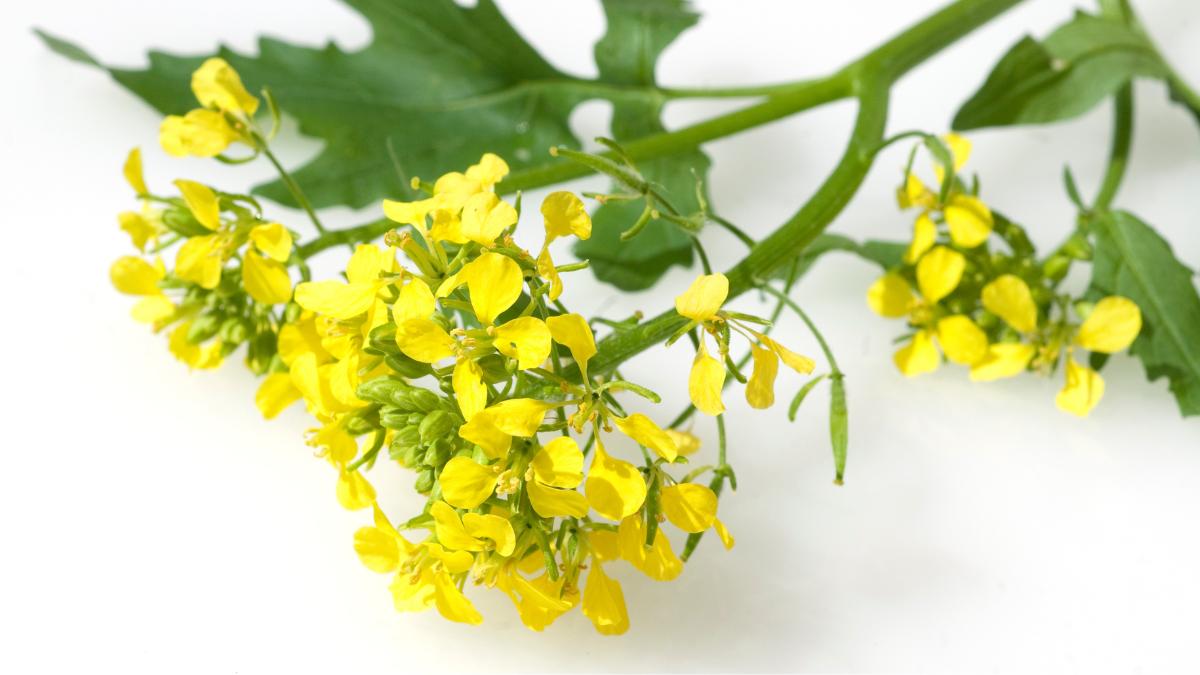
Mustard Plant: Cultivation, Uses and Benefits
The mustard plant has been gaining increasing popularity among those looking for simple, productive and versatile alternatives to grow at home or in the garden. Its easy germination, fast growth and multiple culinary and natural benefits make this plant an excellent option for beginners and for anyone wishing to diversify what they grow throughout the year. In addition, it allows you to use both the leaves and the seeds, contributing to full use of the plant.
In this article, you will find a detailed exploration of what characterises the mustard plant, how to care for the mustard plant efficiently, when to sow it in Portugal and what the differences are between white mustard (Sinapis alba) and black mustard (Brassica nigra). The nutritional value of the seeds will also be addressed, what mustard contains, what mustard seed is used for and how you can also use the seeds in infusion.
What characterises the mustard plant?
The mustard plant belongs to a group of herbaceous plants widely cultivated for their gastronomic and medicinal value. Its leaves, seeds and even flowers can be used in different ways, and it is commonly found both in traditional cuisine and in contemporary cooking.
The size of the plant varies depending on the species and growing conditions, but generally it is a fast-growing plant, capable of offering frequent harvests throughout the year. Its characteristic, slightly spicy flavour is more evident in the seeds, although it is also present in the leaves, especially when consumed raw.
White mustard and black mustard: essential differences
Although they belong to the same family, it is important to distinguish these two varieties, as they present different uses, characteristics and flavour intensities.
White mustard (Sinapis alba)
White mustard produces larger seeds with a yellowish tone. Its flavour is milder, with a discreet spiciness. It is the most commonly used variety in the preparation of mild mustards and in seasoning dishes that require an aromatic touch without being too intense.
Available as white mustard at Chás do Mundo.
Black mustard (Brassica nigra)
Black mustard, on the other hand, is known for its aromatic intensity. The seeds are smaller and darker, releasing a much spicier and more complex flavour when crushed or toasted.
This variety is common in Indian and Mediterranean cuisine, where the seeds are often heated in oil to release their aroma. You can find it as black mustard.
Brown mustard (Brassica juncea)
Brown mustard sits between white and black mustard in terms of intensity. The seeds are brown and offer a stronger flavour than white mustard but less intense than black mustard.
It is widely used in Asian cuisine, especially in Indian and Nepalese dishes, standing out for its balance between aroma and spiciness. It can be used both in ground spices and as whole seeds.
How to care for the mustard plant: complete guide
Growing the mustard plant requires simple but consistent care, ensuring a healthy and productive plant.
Soil preparation
Prefer loose soils enriched with organic matter. Good drainage is essential to prevent rotting.
Sun exposure
Mustard loves light. Full sun provides more aromatic leaves and accelerated growth. However, partial shade is also suitable, especially in hot months.
Watering
Watering should be regular, keeping the soil moist but never waterlogged. It is important to avoid long periods of drought, which harm the flavour and quality of the leaves.
Spacing between plants
It is recommended to leave 20 to 30 centimetres between plants, allowing healthy growth and proper ventilation.
Leaf harvesting
Leaves can be harvested continuously, removing only the outer ones to allow the plant to keep growing.
Seed harvesting
The seeds should be harvested when the pods are dry. They can then be stored in airtight jars, protected from light and humidity.
What does mustard contain?
Mustard seeds are rich in compounds responsible for their aroma and benefits:
- Glucosinolates
- Sulphur compounds
- Essential oils
- Vitamins C, K and B-complex
- Minerals such as selenium and magnesium
- Natural antioxidants
The richness of these components explains why these seeds are so valued both in gastronomy and in phytotherapy.
Properties and benefits of mustard seeds
The seeds of the mustard plant have traditionally been used for various purposes:
Digestive properties
They help stimulate digestive juices and improve intestinal transit.
Thermogenic effect
The natural compounds in mustard may help activate metabolism.
Mild anti-inflammatory action
Used in poultices or compresses, they help relieve muscle tension and localised pain.
Cardiovascular health
The antioxidants present help protect cells and support cardiovascular health.
What is mustard seed used for?
Mustard seed is extremely versatile:
- Seasoning meats, especially roasts and marinades
- Preparing pickles and preserves
- Flavouring broths and soups
- Toasting and adding to stir-fries
- Grinding to create pastes or dry seasonings
- Preparing homemade mustard with water, vinegar or wine
Each variety offers different intensities, allowing you to adapt its use to specific culinary needs.
Mustard seed infusion: a natural alternative
Infusing the seeds is a lesser-known but effective way of enjoying their benefits. By lightly crushing the seeds and letting them steep in hot water, compounds are released that may help with:
- Relieving indigestion
- Stimulating metabolism
- Reducing mild congestion
- Soothing muscle pain when applied externally (in compresses)
- The infusion should be mild and moderate, especially in the case of black mustard, due to its more intense flavour.
Why grow the mustard plant?
Growing the mustard plant is an excellent way to obtain fresh, nutritious and very aromatic leaves, as well as harvesting seeds that can be used for months. It is a resistant, accessible plant suitable for gardens, balconies and even small pots.
If you wish to explore these varieties and try different aromas, you can discover both white mustard and black mustard available at Chás do Mundo.



No Comments