


Fast delivery worldwide
Sent by: DHL, DPD, UPS, MRW, CTT
Discover Da Hong Pao, one of the most iconic teas of China, grown on the steep cliffs of the Wuyi Mountains in Fujian Province. Also known as “Big Red Robe”, this semi-oxidised oolong tea is distinguished by its mineral, fruity, and lightly roasted flavour — the ideal companion for moments of introspection and refined pleasure.
Each cup carries centuries of history and an artisanal tradition that continues to delight tea lovers around the world.
Ingredients: 100% Da Hong Pao Oolong Tea (Camellia sinensis).
Oxidation: Partial (semi-oxidised).
Flavour: Complex, mineral, and fruity.
Caffeine: Yes.
Origin: Wuyi Mountains, Fujian Province.
This premium oolong tea carries a touching story: during the Ming Dynasty, a magistrate recovered from a serious illness after drinking this tea. In gratitude, he covered the tea bushes from which the leaves were picked with his ceremonial red robe — hence the name that still echoes to this day.
Considered one of China’s national treasures, Da Hong Pao grows at 600 metres of altitude in the majestic rocky cliffs of the Wuyi Mountains — a region marked by dramatic formations and mineral-rich soils. Like other oolongs from this region, this tea belongs to the “yancha” family, known as “cliff teas” — a term that reflects the steep and stony environment where the bushes thrive.
After the harvest in May, the leaves are intensely roasted over charcoal fire — a technique that gives the tea its dark, slightly toasted tone and caramelises the plant’s natural sugars, creating a subtle and lingering sweetness. In larger-scale production, modern ovens are sometimes used, though the traditional method remains the most valued among connoisseurs and discerning enthusiasts.
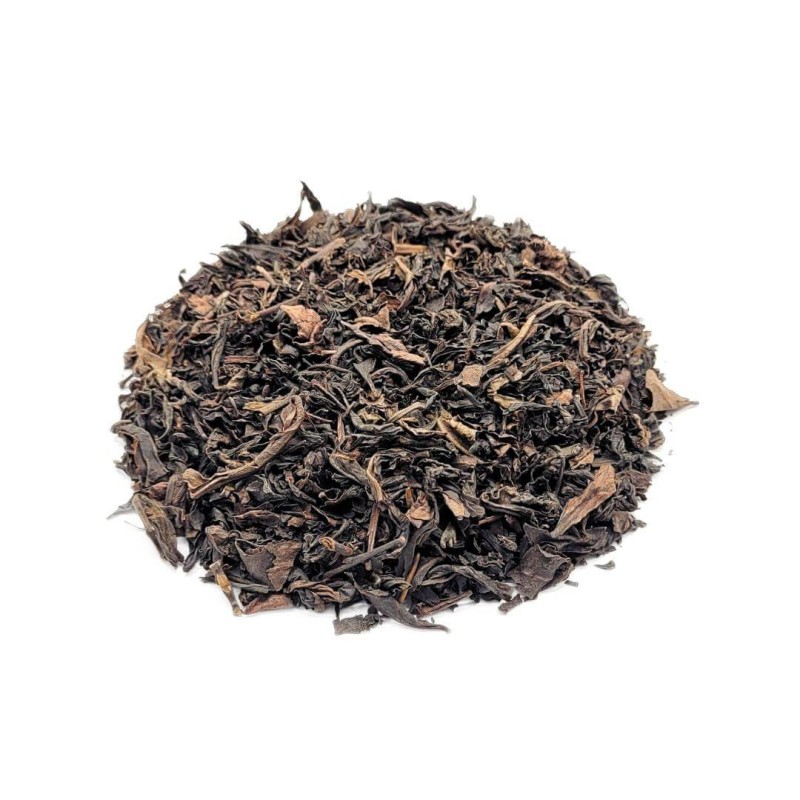
The long, twisted leaves display dark brown hues, and the infusion shows shades of orange and copper — clear and bright, a visual invitation to the elegance and depth of its flavour.
1. Western Method (cup or standard teapot)
Ideal for everyday use and for those who prefer simplicity.
Quantity: 2 g per cup (250 ml)
Water temperature: 80–90 °C
Infusion time: 2 to 4 minutes
Reinfusions: Can be reinfused 2 to 3 times, slightly increasing the time with each infusion.
2. Traditional Chinese Method (Gong Fu Cha)
A refined ritual that reveals the full complexity of the tea, highly appreciated by enthusiasts.
Utensils: Gaiwan (lid, bowl, and saucer) or small Yixing clay teapot
Quantity: 5–6 g for 100–120 ml of water
Water temperature: 95–100 °C
First infusion: quick rinse (3–5 seconds) — discard
Following infusions: 5 to 10 seconds for the first, then gradually increase
Reinfusions: up to 8 or more, with subtle flavour changes in each extraction.
Storage: Store in a cool place (max. 20ºC) and dry (max. 60% humidity).
Warnings: Oolong tea is not recommended for pregnant or breastfeeding women.

 Reviews