


Fast delivery worldwide
Sent by: DHL, DPD, UPS, MRW, CTT
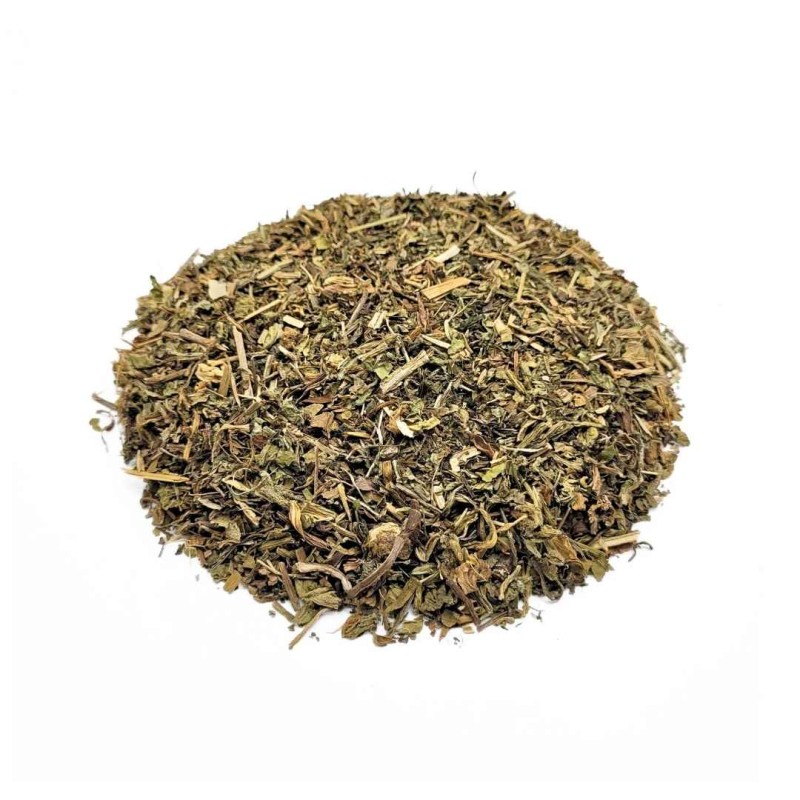
Discover the power of nature through the leaves of witch hazel, also known as common witch-hazel, American witch-hazel and beadwood — a plant cherished for centuries for its potential astringent and soothing properties.
Ingredients: 100% Witch Hazel, Leaves (Hamamelis virginiana L.)
Witch hazel blooms in the heart of winter, earning it the poetic name winter bloom, bringing a splash of colour to cold days with its yellow petals. Native American communities traditionally used witch hazel water as a natural skin tonic and for soothing inflammations.
In modern herbal medicine, witch hazel is often associated with skin care and circulatory support.
✔ Digestive Support: When consumed as tea, it may offer benefits for mild gastrointestinal inflammation or occasional diarrhoea, due to its soothing and astringent action on the mucous membranes.
✔ Sensitive or Irritated Skin: Rich in tannins and flavonoids, witch hazel infusion can be applied externally as a compress to soothe irritated skin, reduce redness, relieve itching, ease mild sunburn, or even insect bites.
✔ Circulation and Heavy Legs: Witch hazel is traditionally used to support microcirculation and provide a pleasant sensation of lightness in tired or swollen legs.
✔ Haemorrhoids and Varicose Veins: Used both internally and externally, witch hazel is popularly associated with relieving symptoms of venous insufficiency, such as haemorrhoids and varicose veins.
✔ Natural Astringent: Thanks to its high tannin content, witch hazel may help tone and balance oily or acne-prone skin.
Preparation Methods
1. Witch Hazel Tea – Internal Use
Water temperature: 90ºC to 100ºC
Steeping time: 8 to 10 minutes
Recommended quantity: 1 teaspoon of dried leaves per 250 ml of water
Dosage: 1 to 2 cups per day, preferably after meals
2. Witch Hazel Compresses – External Use
Witch hazel infusion can be used externally as compresses to help relieve redness, skin irritation, tired legs, varicose veins or mild sunburn.
Preparation: Prepare the infusion as indicated above and allow it to cool completely.
Application: Soak a cotton pad or sterile gauze in the cooled infusion and apply to the desired area for 10 to 15 minutes.
Frequency: May be applied up to twice daily, as needed.
Warnings: The consumption of this plant should be avoided by pregnant or breastfeeding women, as well as by individuals with hypersensitivity to its active compounds.
Legal Disclaimer:
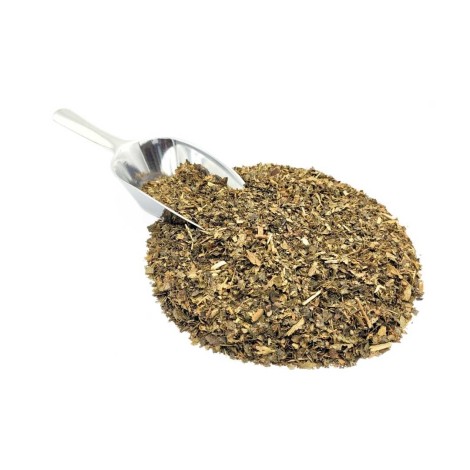
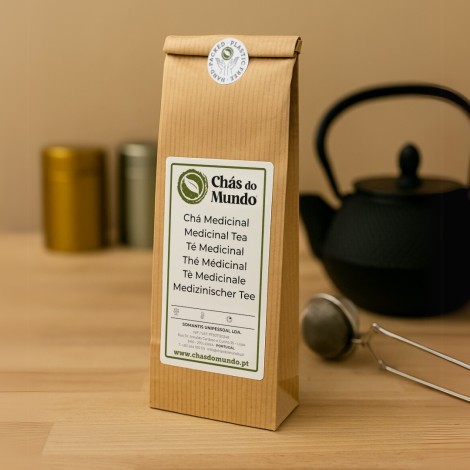
NOTE: The image shown is for illustrative purposes only. The cut type and plant dimensions may vary depending on supply or season, but the tea’s quality, functionality, and properties remain unchanged.

 Reviews