


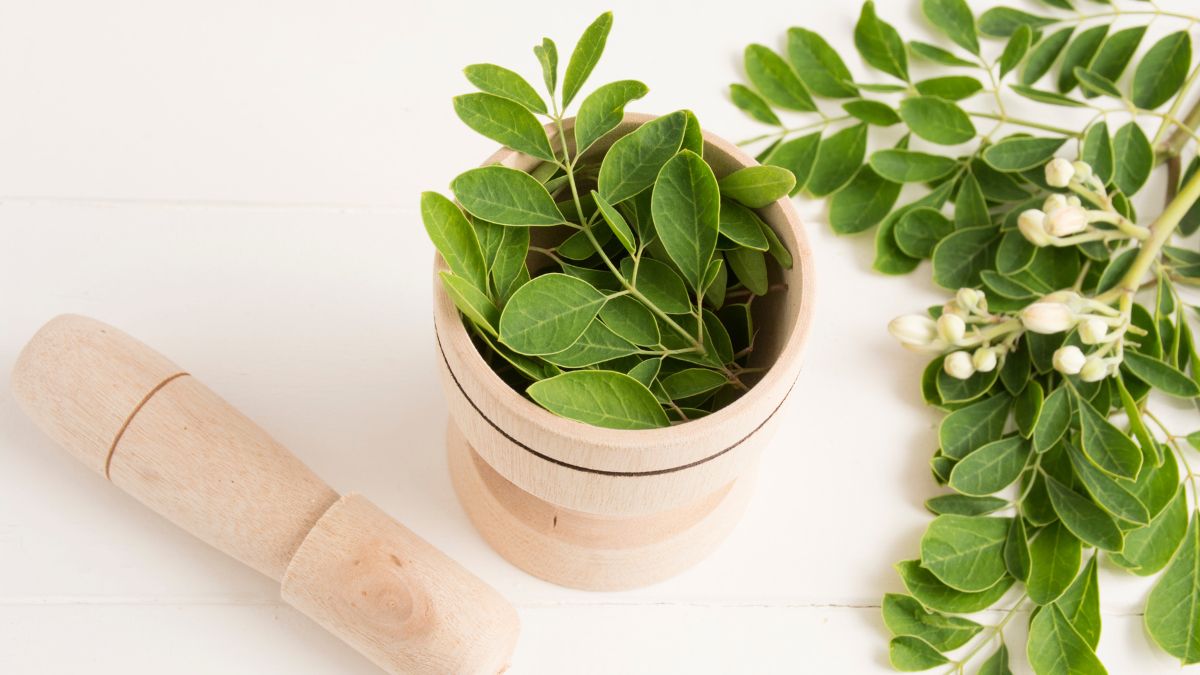
Moringa Benefits, Properties, and How to Prepare the Tea
Moringa oleifera is a plant of Indian origin widely recognized for its health benefits. Rich in nutrients, antioxidants, and bioactive compounds, this plant has been used in various cultures as a natural supplement to strengthen the immune system, balance metabolism, and fight inflammation.
In this article, we will highlight the main moringa benefits, including its nutritional value, how to make moringa tea, how to take moringa, and the differences between consuming it as tea or powder. We will also explain why the benefits of moringa oleifera have attracted the interest of both experts and consumers worldwide.
What is moringa?
Moringa oleifera is a tree grown in tropical and subtropical climates. Its leaves, seeds, flowers, and roots are edible and used in different ways, with the leaves being the most popular due to their high concentration of nutrients.
Known as the “tree of life” or “miracle tree,” moringa contains more than 90 nutrients and 40 antioxidants, making it one of the richest plant sources of protein, calcium, iron, potassium, vitamin A, and vitamin C.
Moringa benefits for health
The benefits of moringa cover several areas of health, including:
1. Anti-inflammatory and antioxidant action
Moringa leaves are rich in flavonoids, polyphenols, and ascorbic acid, which help fight oxidative stress and inflammation in the body. This property is especially beneficial for people with chronic inflammatory conditions such as arthritis or digestive problems.
2. Cholesterol reduction
Studies indicate that regular consumption of moringa can help lower LDL cholesterol (“bad cholesterol”) levels, contributing to cardiovascular health.
3. Blood sugar control
One of the most studied moringa oleifera benefits is its ability to regulate blood sugar levels, making it useful for people with prediabetes or type 2 diabetes. The leaves contain compounds that promote insulin sensitivity.
4. Immune system support
The high concentration of vitamin C, iron, and antioxidants makes moringa an excellent ally for boosting immunity and preventing infections.
5. Digestive health support
Moringa has mild laxative properties and helps eliminate toxins. It is useful in cases of constipation, poor digestion, and fluid retention.
Moringa powder: benefits and daily use
Moringa powder is a practical and concentrated way to include this plant in your daily diet. Made by drying and grinding the leaves, it can be added to smoothies, yogurts, soups, or even recipes.
Among the main moringa powder benefits are:
- Easy to transport and store
- High concentration of nutrients per dose
- Can be added to meals without significantly changing the flavor
For those who want to increase their daily intake of antioxidants, moringa powder is an excellent choice, as long as it is used in moderation.
Moringa tea and its benefits
Moringa tea and its benefits are recognized both in traditional medicine and in modern scientific studies. The tea made from dried moringa leaves is ideal for those who want to obtain the plant’s therapeutic effects in a gentler, more gradual way.
Among the benefits of moringa tea are:
- Detox and diuretic action
- Reduction of physical and mental fatigue
- Boosting metabolism and digestion
- Hormonal balance, especially in women
This tea is a natural and safe alternative for those who want to take care of their health without relying on artificial supplements.
How to make moringa tea?
Knowing how to make moringa tea properly is essential to take full advantage of its properties.
Ingredients: 1 teaspoon of dried moringa leaves for 250 ml of water
Preparation: Heat the water until it boils, turn off the heat, add the leaves, and let infuse for 5 to 10 minutes
Consumption: Drink 1 to 2 times per day, preferably between meals
Dried moringa leaves can be purchased in natural product stores. A quality option is the moringa tea available at Chás do Mundo, made with whole leaves and no additives.
How to take moringa? Tips and precautions
There are several ways to include moringa in your diet. If you are unsure about how to take moringa, here are some options:
- Powder: Add to smoothies, juices, or yogurt, 1 teaspoon per day
- Capsules: A practical option, especially for those who prefer not to alter the taste of food
- Tea: Ideal for occasional consumption or during times of greater immune need
Precautions:
Despite its many benefits, moringa should be consumed in moderation. Excessive doses may cause nausea or digestive issues. Pregnant women and people with autoimmune diseases should consult a healthcare professional before starting use.
Final considerations
Moringa is a complete medicinal plant with multiple benefits for physical and mental health. Its use can contribute to overall well-being, immune system strengthening, blood sugar control, and improved digestive function.
If you are looking for a natural alternative to take care of your health, exploring moringa benefits can be an excellent decision. From tea to moringa powder, there are several ways to enjoy the properties of this plant.
It is also worth mentioning that the sustainable cultivation of moringa has a positive impact on local communities in the countries where it is produced, such as India, Mozambique, and some South American nations. The plant grows quickly even in poor soils and arid climates, making it a viable solution for both food security and therapeutic purposes.
In Portugal, interest in moringa has been growing in recent years, especially among people looking for natural alternatives to conventional supplements. The fact that it is a plant-based protein source also makes it attractive for those following vegetarian or vegan diets.
When considering how to take moringa, you can alternate between tea and powder, depending on your needs and personal preferences. Whatever form you choose, the benefits of moringa oleifera continue to surprise and gain more followers who value natural and preventive health care.
Remember: Balance is key. Respect the dosage, look for products from reliable sources, and if in doubt, seek guidance from a healthcare professional.




No Comments