


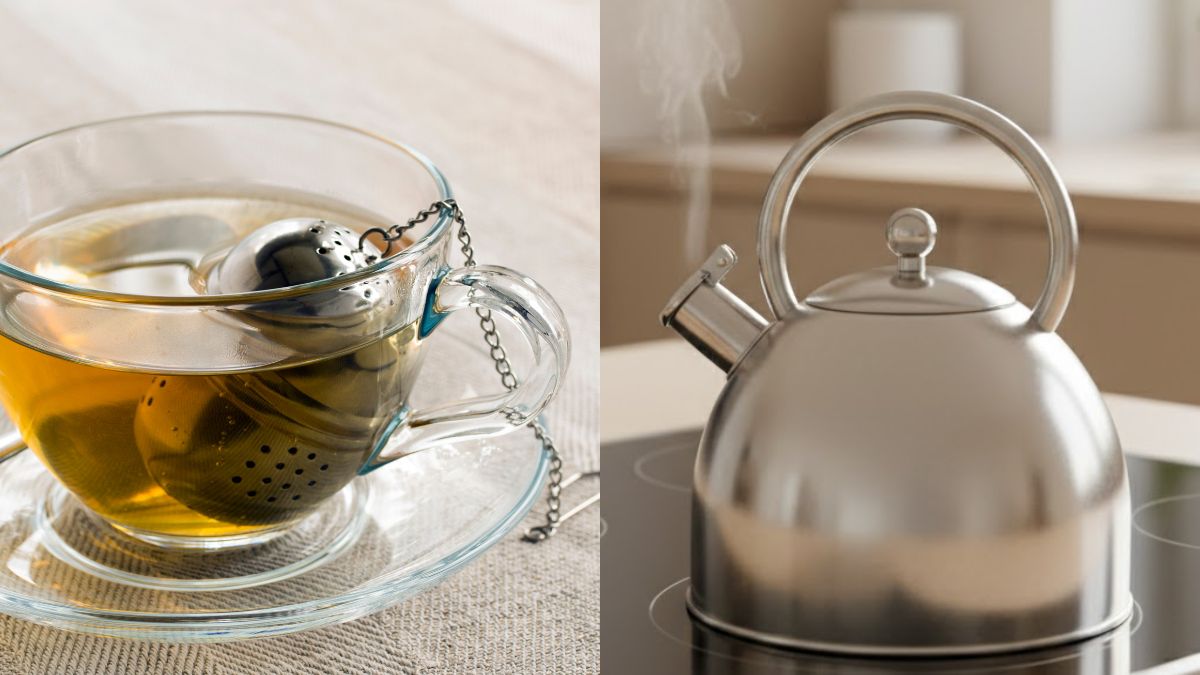
Infusion or Decoction: Which Method Is Best for Your Tea?
Infusion or Decoction: Understanding the Differences
When preparing a medicinal tea, one common question arises: infusion or decoction? Choosing the right method makes all the difference in extracting active compounds, developing the right flavour, and ensuring the safety of the drink.
Each technique is suited to specific parts of plants and requires different preparation times and temperatures.
In this article, we explain in simple terms what a decoction is, the meaning of infusion, when to use each, and how to choose the best method for different medicinal plants.
What Is an Infusion?
An infusion is the most common and gentle method used to prepare teas from leaves, flowers, and other delicate plant parts. It is ideal for preserving essential oils and volatile compounds that are sensitive to heat. The preparation is simple: boil water, remove it from the heat, and pour it over the herbs. Cover the mixture and let it steep for a few minutes (usually 5 to 10), allowing the active ingredients to be released slowly and evenly.
This method works particularly well for soft-textured plants such as chamomile, mint, lemon verbena, and lemon balm, which easily release their aromas and beneficial properties. A traditional example is the gorse-flower tea, prepared by infusion and known for supporting digestion and promoting the body’s natural balance — a true invitation to sip health in every cup.
What Is a Decoction?
A decoction is a more intense preparation method, suited for the tougher parts of plants such as roots, barks, seeds, and stems.
The term comes from the Latin decoquere, meaning “to cook thoroughly.”
In this process, the ingredients are placed in cold water and brought to a gentle boil. They are then simmered for 10 to 30 minutes, depending on the plant.
Decoction allows the extraction of compounds that only release with prolonged heat, such as tannins, alkaloids, and minerals.
An example is burdock root tea, prepared by decoction. The roots of burdock require longer boiling to release their purifying active compounds, which are beneficial for the skin and digestive system.
Infusion or Decoction: When to Choose Each Method
Choosing between infusion or decoction depends on the part of the plant being used and the compounds you wish to extract.
In general, leaves and flowers should be prepared by infusion, as they are delicate and easily release their properties.
Plants like chamomile, lemon verbena, and carqueja-flower are typical examples of this method.
Barks, roots, and seeds, on the other hand, require decoction, since their structures are tougher and need longer heating to release beneficial compounds.
Common examples include pau d’arco, burdock, and ginger.
To sum up:
- Infusion: preserves aroma and delivers a light, smooth flavour. Ideal for everyday use and delicate plants.
- Decoction: provides deeper and more concentrated extraction. Suitable for plants with dense therapeutic properties or tougher structures.
For instance, pau d’arco tea, obtained by decoction, is known for its antioxidant and purifying properties, requiring boiling time to extract the active compounds from its bark.
The Impact on Flavour and Active Compound Extraction
The preparation method directly affects the flavour, intensity, and therapeutic effectiveness of tea.
Infusions produce light, aromatic beverages with floral and delicate notes — perfect for relaxation and hydration.
Decoctions, in contrast, have stronger, more bitter flavours but contain higher concentrations of active compounds.
Safety should also be considered when choosing between infusion or decoction. Some plants may release unwanted substances if boiled excessively, while others only become effective after prolonged simmering. For this reason, following preparation recommendations is essential.
Practical Tips for Preparing Infusions and Decoctions
For infusions:
- Heat water until it boils, then remove it from the heat.
- Add the herbs (about 1 teaspoon per cup).
- Cover and let it steep for 5 to 10 minutes.
- Strain before drinking.
For decoctions:
- Place the roots, barks, or seeds in cold water.
- Bring to a gentle boil and simmer for 10 to 30 minutes.
- Strain and drink warm.
A good practice is to alternate between methods depending on the plant type, ensuring maximum benefit from each.
Infusion or Decoction: Which Is the Better Choice?
There’s no single “best” method — it depends on your purpose. If your goal is to enjoy a fragrant, relaxing tea, infusion is the way to go. However, if you’re aiming for a more concentrated therapeutic effect, as in detox routines or specific treatments, decoction is more suitable.
For example, carqueja-flower tea is perfect when prepared by infusion, while pau d’arco and burdock teas require decoction to release the active substances from their roots and barks.
Final Thoughts
Understanding the difference between infusion or decoction is essential to fully enjoy the benefits of medicinal plants.
The preparation method influences flavour, concentration, and the effectiveness of natural compounds.
Knowing how to distinguish between tea and infusion — and applying the right method — ensures a richer, healthier, and safer experience.
Discover the best medicinal teas prepared by infusion or decoction at Chás do Mundo and experience the power of plants in harmony with your wellbeing.



No Comments