


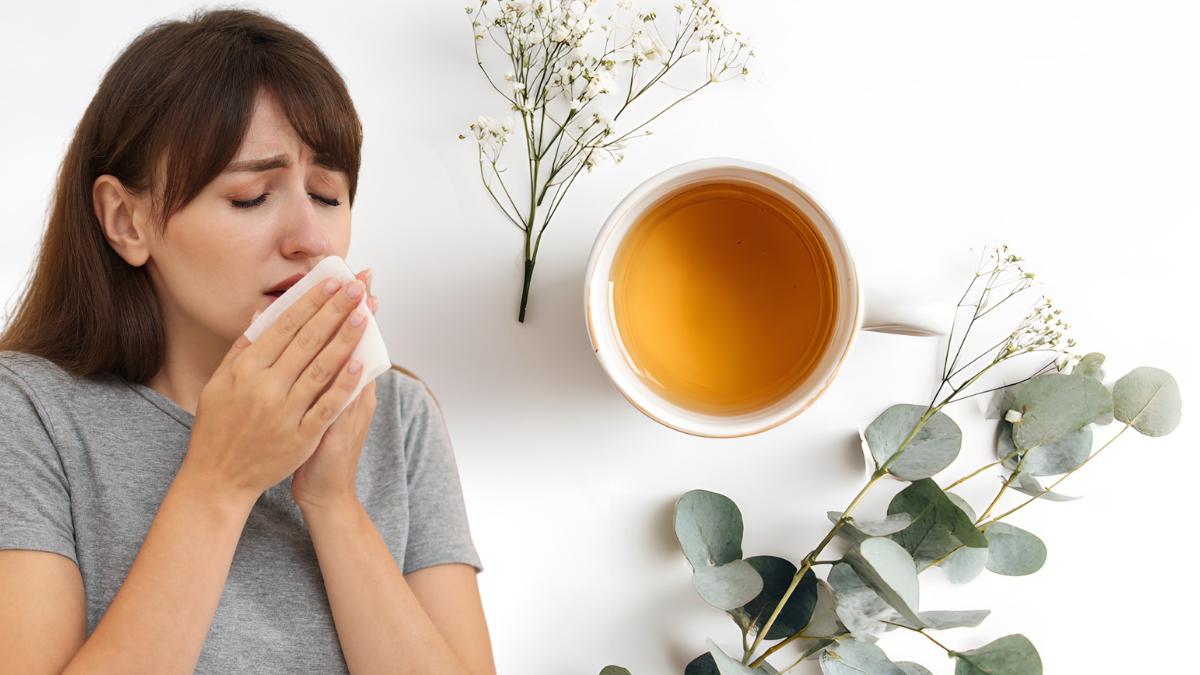
Tea for Sinusitis: Natural Options to Relieve Symptoms
When symptoms such as nasal congestion, headache, facial pressure or a feeling of heaviness around the eyes arise, many people turn to tea for sinusitis as a natural way to ease discomfort. Sinusitis can present acutely, usually due to viral infections, or chronically, when symptoms persist for weeks or return frequently. In both cases, drinking herbal infusions may help improve well-being, always as a complement to medical supervision and never as a replacement for prescribed treatments.
Throughout this article, the teas most suitable for relieving symptoms of sinusitis will be explored, including widely known options such as ginger and chamomile, and other plants traditionally used for their decongestant and anti-inflammatory action, such as elderflower and eucalyptus — all available at Chás do Mundo. Natural strategies that may help those looking to understand how to cure sinusitis fast will also be discussed, although recovery always depends on the underlying cause and appropriate clinical follow-up.
What is sinusitis and how does it manifest?
Sinusitis is the inflammation of the paranasal sinuses, air-filled structures located in the face that connect with the nasal cavities. This inflammation causes symptoms such as:
- Persistent nasal congestion
- Pain and pressure in the forehead, cheekbones or eye area
- A feeling of heaviness in the face
- Headaches
- Thick nasal discharge
- Difficulty breathing through the nose
Sinusitis can be classified into two main types:
Acute sinusitis
Usually caused by colds or viral infections, lasting up to four weeks. It is common in winter and can cause intense discomfort.
Chronic sinusitis
Characterised by symptoms lasting more than 12 weeks or recurring frequently. It may be associated with allergies, nasal polyps or environmental sensitivity.
Many people look for teas and natural practices to help manage episodes of congestion and inflammation.
Tea for sinusitis: how can it help?
Tea for sinusitis does not cure the condition, but it may play an important role in symptom relief thanks to properties such as:
- Anti-inflammatory action
- Decongestant capacity
- Calming and relaxing effect
- Immune system stimulation
- Help thinning mucus
In addition, drinking warm liquids helps hydrate the mucous membranes and facilitate mucus elimination, something essential for those seeking natural ways to manage sinusitis.
Sinusitis: what to take?
Before presenting the best teas, it is important to understand that during periods of greater discomfort, combining different measures may be necessary. Here, infusions with decongestant, anti-inflammatory or calming properties come into play, always as a complement to medical follow-up.
Elderflower: one of the most used plants for congestion
Elderflower is traditionally recognised for its anti-inflammatory action and its ability to help relieve congestion and nasal pressure. The flowers contain properties that may support mucus elimination and ease respiratory discomfort.
The tea can be prepared with high-quality elderflower flowers, such as those available at Chás do Mundo.
Among the benefits of elderflower, the following stand out:
- Improvement of nasal congestion
- Mild expectorant action
- Relief of facial pressure associated with sinusitis
- Support for the respiratory system during colds
For these reasons, it is often recommended as an excellent tea for sinusitis.
Eucalyptus: intense aroma and decongestant action
Eucalyptus is one of the best-known plants for relieving respiratory problems. Its leaves release aromatic compounds that help unclog the airways and improve breathing.
You can find eucalyptus leaves at Chás do Mundo.
The main benefits of eucalyptus include:
- Natural decongestant action
- Dilation of the respiratory airways
- Relief from a blocked nose
- Reduction of facial pressure
Eucalyptus tea is especially useful for those facing acute sinusitis with strong congestion.
Basil: aromatic and useful for sinusitis relief
Basil is an aromatic herb with antibacterial and mildly anti-inflammatory properties, making it a good supportive option during mild sinusitis episodes. The aroma released during infusion may help open the respiratory passages and provide immediate relief.
Main benefits of basil include:
- Support in reducing inflammation
- Softening of nasal congestion
- Mild antibacterial action
- Support in opening the airways through aromatic steam
Basil tea can be an interesting alternative for those seeking natural options to improve overall well-being during milder sinusitis crises.
Ginger: a powerful natural anti-inflammatory
Ginger is a root widely used in situations of inflammation and congestion. Its warming flavour and bioactive properties help relieve facial pressure and facilitate mucus elimination.
Main benefits include:
- Powerful anti-inflammatory action
- Improved circulation
- Reduction of sinus-related headaches
- Immune system stimulation
Ginger tea is an excellent option for anyone wanting to understand how to cure sinusitis fast — within what is realistically possible through natural means.
Chamomile: calming and gentle for discomfort
Chamomile is not directly decongestant, but its calming effect helps reduce discomfort associated with sinusitis. It contributes to:
- Muscle relaxation
- Reduction of headaches
- Restorative sleep
- Decreased stress, which may worsen symptoms
It can be an excellent choice to end the day, especially when sinusitis makes rest difficult.
How to improve sinusitis beyond teas?
Although tea for sinusitis may help significantly with relief, other natural measures can complement treatment:
- Steam inhalation with eucalyptus
- Nasal rinsing with saline solution
- Constant hydration
- Avoiding dry environments
- Sleeping with the head slightly elevated
These practices support those looking for solutions for sinusitis and how to treat it safely and naturally.
When to seek medical help?
It is essential to consult a doctor when:
- Sinusitis lasts more than 10 days
- There is persistent fever
- Pain becomes intense
- Symptoms worsen even with care
- There is suspicion of chronic sinusitis
Always remember that although teas help relieve symptoms, they do not replace sinusitis medication when necessary.
The teas mentioned throughout the text can be found at Chás do Mundo, including elderflower and eucalyptus, all selected for their quality and suitable for those seeking natural options to complement the management of acute or chronic sinusitis.



No Comments