



7 Teas for Hoarseness That Help Restore the Voice
Hoarseness is a common problem, often caused by inflammation, infections, excessive vocal strain, or even sudden changes in temperature. Although in most cases it is not serious, it can become quite uncomfortable, especially for those who depend on their voice on a daily basis. Fortunately, there are several natural solutions available — and one of the most effective is drinking tea for hoarseness.
In this article, you will find several medicinal plants traditionally used to relieve hoarseness and sore throat, reduce inflammation of the vocal cords, and speed up recovery. You will also learn which tea is good for hoarseness, how to prepare homemade teas for hoarseness, and the best natural ingredients for this purpose.
The Power of Medicinal Teas for Hoarseness
Throughout history, different cultures have relied on medicinal plants to ease throat-related symptoms. Warm infusions have a soothing effect on the vocal cords and help hydrate irritated mucous membranes. In addition, many herbs contain anti-inflammatory, analgesic, and antiseptic properties.
The heat of the infusion also helps improve local blood circulation, which contributes to faster recovery of inflamed tissues. Adding ingredients such as honey, lemon, or ginger further enhances the beneficial effects of each tea.
But after all, which tea should you drink for hoarseness? Below are the main options with proven effectiveness.
1. Mallow Tea (Malva sylvestris)
Mallow is one of the best-known plants for treating throat inflammation. Rich in mucilage, it forms a protective film over the vocal cords, providing almost immediate relief from irritation.
Indication: Ideal for cases of hoarseness accompanied by dry cough.
How to use: Infuse one teaspoon of dried mallow flowers in 250 ml of hot water for 10 minutes. Strain and drink warm.
This tea can be consumed up to three times a day, preferably without sugar, to avoid further irritation of the mucosa.
2. Globe Amaranth Tea (Gomphrena globosa)
Globe amaranth is widely used as a tea to relieve hoarseness thanks to its expectorant and anti-inflammatory properties. It is indicated in cases of laryngitis, bronchitis, and mild respiratory infections.
Benefits: Helps loosen mucus, soothes the throat, and improves vocal quality.
How to prepare: Place 1 teaspoon of dried flowers in 250 ml of hot water. Let steep for 10 minutes.
This infusion is also widely used by singers and teachers to keep the voice clear and healthy.
3. Thyme Tea (Thymus vulgaris)
Thyme is a powerful natural antiseptic, ideal for soothing sore throat and fighting infections. It acts as a natural antibiotic and is recommended for those suffering from hoarseness and sore throat caused by bacterial or viral infections.
Use: Helps eliminate germs, soothe inflammation, and improve the voice.
Preparation: Add one teaspoon of thyme leaves to a cup of hot water, cover, and let steep for 8 to 10 minutes.
For stronger effects, you can add a spoon of honey and a few drops of lemon.
4. Onion Peel Tea
Although less common, onion peel tea for hoarseness is one of the oldest and most effective home remedies. Onion has anti-inflammatory, expectorant, and antimicrobial properties, making it an excellent choice for treating mild respiratory infections.
How to make: Wash the peels of a medium onion (preferably red or golden), boil for 10 minutes in 300 ml of water, strain, and sweeten with honey if desired.
Indication: Recommended as a homemade tea for hoarseness, especially in cases of infection or persistent cough.
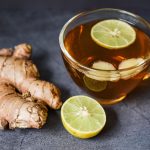
5. Ginger, Lemon, and Honey Tea
This classic combination offers anti-inflammatory, antiseptic, and soothing effects. Ginger helps clear the airways, lemon fights viruses and bacteria, and honey softens the throat.
Ideal for: Cases where hoarseness is associated with colds or flu.
How to prepare: Boil thin slices of ginger for 10 minutes, add the juice of half a lemon and a spoon of honey.
You can drink two to three cups a day, especially in the morning and before bedtime.
6. Marshmallow Root Tea (Althaea officinalis)
Less known, marshmallow root tea is excellent for those looking for a natural way to treat hoarseness. It is very rich in mucilage, protecting the vocal cords and reducing irritation.
Indication: Hoarseness associated with excessive voice use, such as in teachers, speakers, or singers.
Note: It can also be combined with mallow or globe amaranth to enhance the soothing effects.
Marshmallow root is particularly recommended for long-term use, as it provides gentle and continuous action.
7. Chamomile Tea
Chamomile has a soothing effect and helps reduce throat inflammation. It is especially recommended before bedtime, helping to relax and speed up recovery.
Use: Ideal to complement other treatments or for daily use while symptoms persist.
Chamomile steam can also be inhaled, providing immediate relief from nasal congestion and throat irritation.
Additional Tips to Treat Hoarseness
In addition to drinking medicinal teas, it is important to follow some complementary measures:
- Avoid very cold or very hot drinks
- Reduce voice use whenever possible
- Stay hydrated throughout the day
- Avoid smoky or very dry environments
- Do steam inhalations with water and herbs such as eucalyptus or thyme
- Avoid shouting, whispering, or straining the voice during recovery
If hoarseness persists for more than a week, or if other symptoms such as fever or severe pain appear, medical advice should be sought.
If you are looking for a natural way to relieve a hoarse voice, there are several teas for hoarseness with proven effectiveness. Plants such as mallow, globe amaranth, and thyme provide real benefits, especially when used at the first signs of inflammation.
Incorporating these infusions into your routine not only helps restore your voice more quickly but also promotes overall respiratory well-being. The key is choosing which tea is best for hoarseness depending on the main cause — whether infection, vocal strain, or allergy — and maintaining a proper care routine.



No Comments